Featured
Table of Contents
Researches of Holocaust survivors have actually located that while many withstood talking to youngsters regarding their experiences, their worldviewthat the globe was a hazardous location where terrible points might take place at any kind of timeaffected their youngsters's expectation.
Intergenerational trauma is injury passed from one generation to the next, often without straight experience of the stressful occasion. This trauma can create signs and symptoms like anxiousness and mood problems, similar to PTSD.Therapy and trauma-informed treatment can aid manage the impacts of intergenerational injury.
Individuals experiencing intergenerational trauma may experience signs, reactions, patterns, and psychological and psychological effects from trauma experienced by previous generations (not limited to just parents or grandparents). People have made it through for countless years by developing the capacity to adjust. If you cope with chronic anxiety or have actually lived with a traumatic event, specific responses turn on to help you survivethese are called injury reactions.
Family Expectations vs Authentic Values
Someone who has experienced trauma could battle to feel calm in scenarios that are fairly safe as a result of stress and anxiety that another stressful event will happen. When this takes place, the injury feedback can be dangerous instead than adaptive. As an example, somebody may have matured in a home where there were generations of yelling and heckling their kids in temper, originating from an area of unsettled trauma and pain.
survived that caused their shouting or yelling. This might have been due to the fact that screaming or yelling was adaptive behavior for survival or they had their very own moms and dads chew out them because those parents and those prior to them didn't have the devices, energy, modeling, assistance, or room to talk kindly/gently/lovingly to their kids as a result of constant stressors and the trauma of historical oppression/struggle.
Moving From Chronic Stress to Balance
They experience injury signs and symptoms and trauma feedbacks from occasions that did not take place to them; rather, the action is acquired genetically.
Intergenerational trauma happens when the impacts of trauma are passed down between generations. This can occur if a parent experienced misuse as a youngster or Damaging Childhood Experiences (ACEs), and the cycle of trauma and misuse influences their parenting. Intergenerational injury can additionally be the outcome of injustice, consisting of racial trauma or other systemic fascism.
Respecting Parents Without Living Their Unlived Dreams
This is one way that we adjust to our setting and endure. When somebody experiences injury, their DNA reacts by activating genes to assist them survive the difficult time.
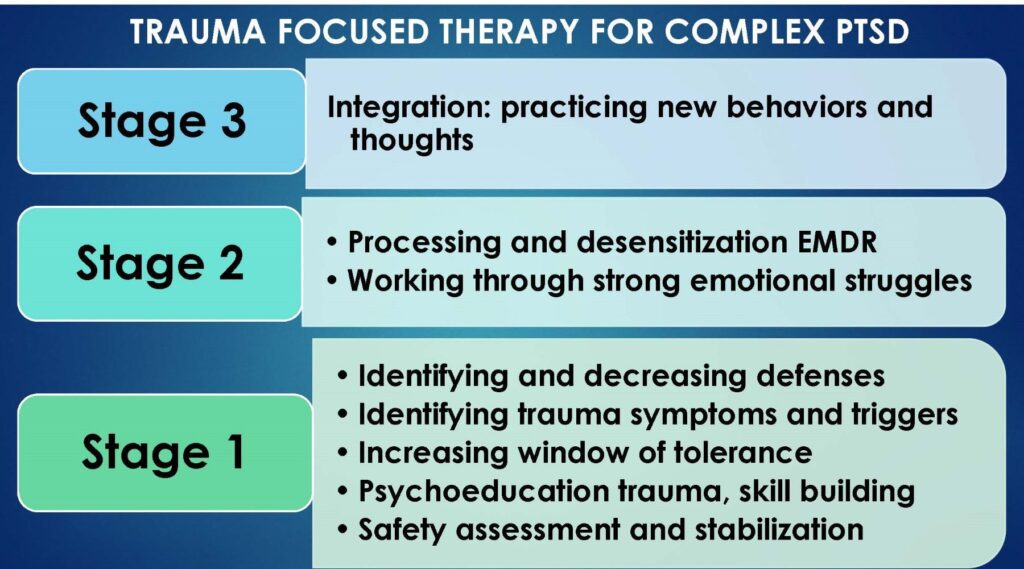
Our genetics do a great job of keeping us safe also if this does not mean maintaining us satisfied. When genes are topped for demanding or distressing occasions, they react with higher resilience to those occasions, but this constant state of expecting threat is demanding. The trade-off of being constantly prepared to keep us safe boosts our body's stress and anxiety levels and impacts our psychological and physical health with time.
Online Bicultural Therapy
This "survival mode" stays inscribed and passed down for multiple generations in the absence of additional injury. Our genes do a great task of maintaining us safe also if this does not mean maintaining us happy.
Research shows that youngsters of parents with higher ACEs ratings are at greater threat for their very own negative childhood experiences. If you experience intergenerational trauma, trauma-informed treatments and therapy treatment can help you cope with your own signs and symptoms, understand the impact of intergenerational injury, and equip you with tools to aid alter deeply embedded patterns and recover yourself and generations after you.
There are many sources available to those handling trauma, both personal and intergenerational. Acknowledging injury signs, also if they are inherited instead of relevant to a personal injury, is essential in dealing and seeking support for intergenerational injury. Even if you do not have your own memories of the injury, a trauma-informed technique to care can help you handle your body's physical reaction to intergenerational trauma.
Karen Alter-Reid, PhD is an accredited clinical psycho therapist based in Stamford, Connecticut. She is a clinician, educator, specialized speaker, and specialist. Dr. Alter-Reid keeps a private practice providing treatment for individuals with severe distressing tension problems, stress and anxiety, and life-cycle changes. Her latest job concentrates on locating and recovery trans-generational trauma, bringing a broader lens to her collaborate with people.
Acknowledging Parents Without Fulfilling Their Lost Dreams

Dr. Alter-Reid employs an integrative method which might incorporate relational psychiatric therapy, EMDR, hypnotherapy, tension management, sensorimotor psychotherapy and/or psychophysiological feedback. These adjunctive methods are based on sophisticated research study in neuroscience. Dr. Alter-Reid is the EMDR Elder Expert to the Integrative Trauma Program at the National Institute for the Psychotherapies in New York City ().
In enhancement, Dr. Alter-Reid is on faculty in both the Integrative Injury Program and in the 4 year analytic program. She co-led a group of trauma specialists for 12 years as part of a non-profit, Fairfield County Injury Reaction Team.

Latest Posts
What Quality Perinatal Therapy Involves
Starting Your Healing Journey
Why Online Brainspotting Is Effective