Featured
If you're grieving, remember this: your grief reflects the depth of your link. It's not something to "get over" but rather to move through, lugging your love and memories ahead into a life that, while forever changed, can still hold significance and pleasure.
Despair is a natural psychological response to loss. Grieving is a procedure that can aid you concern terms with a loss, such as when a liked one passes away. Every person experiences pain in a different way. Your experience of despair and how you cope with it will certainly depend upon different elements. These might include your age, previous experiences with pain and your spiritual or spiritual sights.
Awaiting despair suggests feeling unfortunate before the loss occurs. As opposed to regreting for the person, that is still with you, you may feel grief for the points you won't reach do together in the future. When dealing with a considerable loss, such as the fatality of a liked one, it is natural to really feel lots of solid feelings.
Individuals diagnosed with an incurable health problem and those facing the death of an enjoyed one might experience anticipatory pain., you may experience many emotions including shock, anxiety and despair.
Relational Trauma and Professional Success
You regret lost chances or experiences you'll miss also little ones, such as the pleasure of the sunlight or a hot cup of coffee. If somebody you like is dealing with a terminal health problem, it prevails to experience awaiting grief in the months, weeks and days before fatality. You may grieve the same points your enjoyed one is mourning, or various losses completely.
You may really feel awaiting despair If your enjoyed one is confused or subconscious for a long period of time (e.g. with delirium or mental deterioration). You might really feel that the individual you understood is already gone, also if they are still physically there. If your enjoyed one has a decline in physical health and wellness or flexibility, you may feel anticipatory grief as you lose the chance to share experiences, such as pastimes, holidays or occasions.
This is particularly true if you invest a great deal of time taking care of the individual. You may miss out on tasks you used to appreciate with each other and feel sorrow concerning the adjustment in your connection. The nature of your relationship might transform as you take on a carer's role, or become the one being looked after.
Sensations of despair prior to death are normal it's essential to identify them, and to chat regarding them. Experiencing awaiting pain does not necessarily suggest that you will grieve your loved one any less after they are gone.
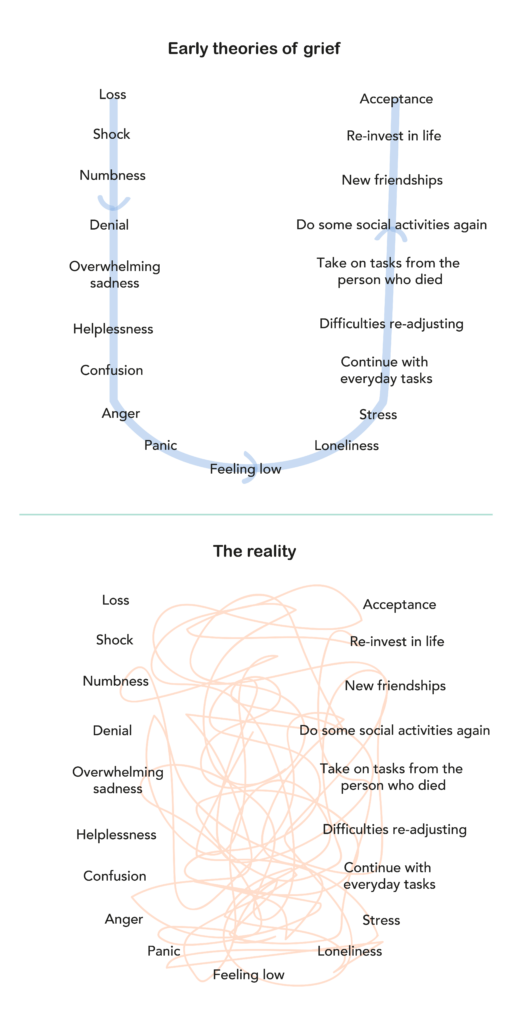
In reality, we do not experience sensations of grief one at a time or in a certain order. You might experience these things because they are all typical feelings of grief.
It's typical to really feel other points also, such as shock, anxiousness, fatigue, or shame. Some individuals really feel numb after the death of an individual they respected. They may also try to carry on as though absolutely nothing has actually occurred. If you experience this, maybe due to the fact that it's simply too unsubstantiated that the individual you recognize so well is not coming back.
Imposter Syndrome in Nurses
Maybe they promise themselves that they will now always do (or not do) something, believing that it can make the individual who has actually passed away come back. Or maybe they think it will stop any individual else passing away or various other bad points taking place. This is occasionally called 'enchanting thinking'. Individuals may additionally find that they maintain returning over the past and ask great deals of 'what happens if' inquiries, desiring that they might go back and transform points to make sure that they can have turned out differently.
These feelings can be extremely extreme and excruciating, and they might come and go over numerous months or years. A lot of people discover that agonizing sensations like this become less solid over time. If you do not feel this is the situation for you, then you need to ask for assistance.
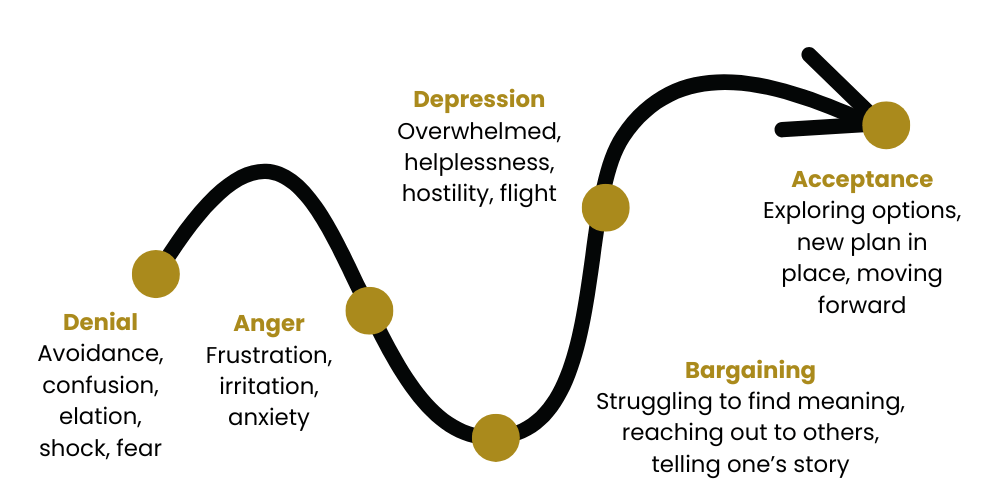
Her design came to be commonly approved as a method to comprehend sorrow, but over time, grief counsellors and scientists broadened upon it, causing the development of the. This extended model incorporates added emotional reactions that people might experience: The initial reaction to loss commonly brings shock and disbelief. This phase acts as a safety mechanism, permitting us to soak up the truth of our loss in workable dosages.
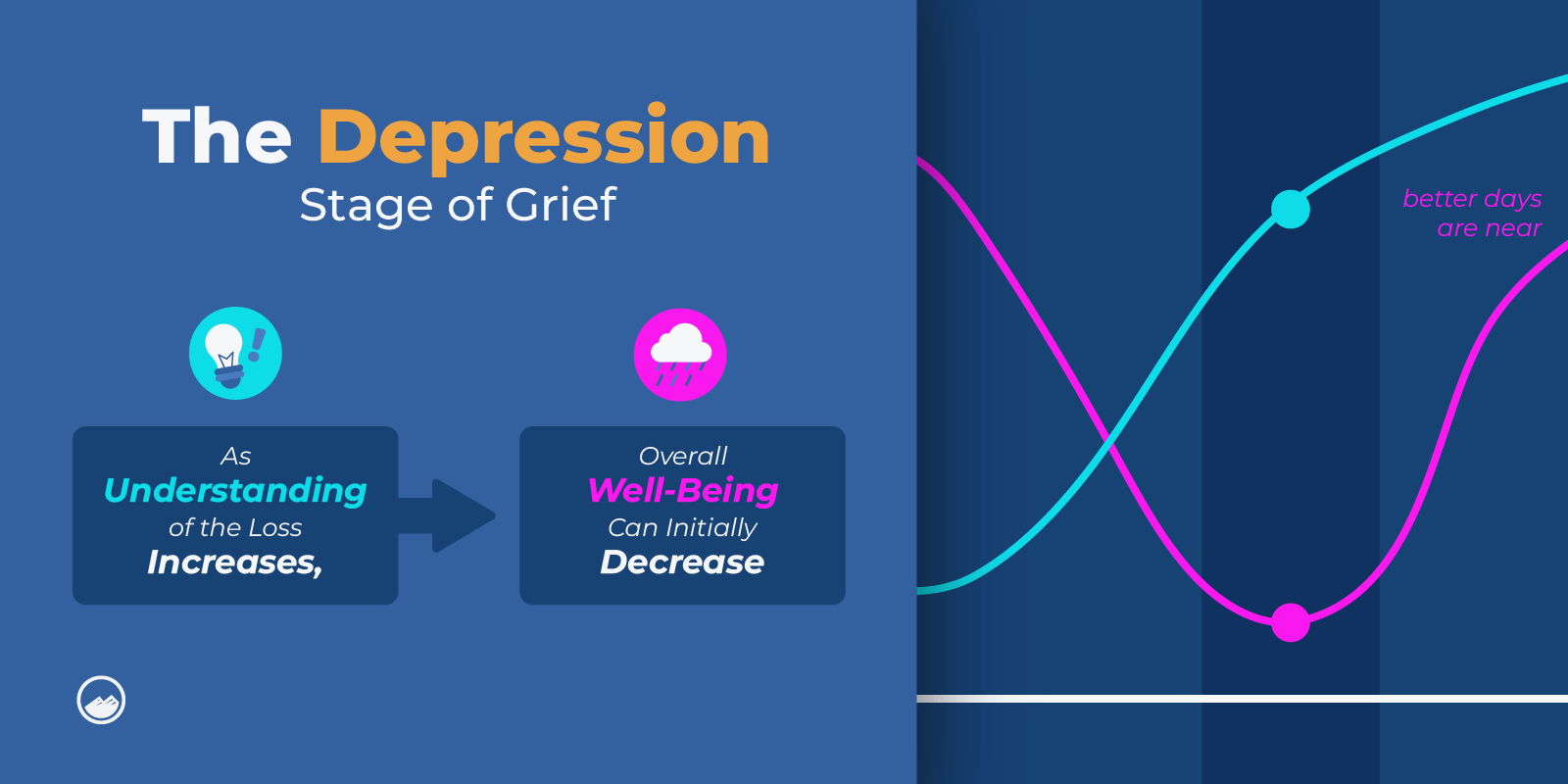
Feelings of regret or shame may arisewondering if you might have done something differently, or feeling sorrow over things left unexpressed. Sorrow can show up as angertoward on your own, others, or also the individual that has actually passed.

Latest Posts
Different Treatment Styles by Anxiety Therapy
CBT: Benefits and Outcomes
ADHD Assessment and Comprehensive Understanding