Featured
Table of Contents
Trauma affects us in different methods. In the brief term, it can cause psychological responses such as horror, complication, shock, seclusion, and dissociation, whereas in the future, it can influence our actions, mental state, and capacity to work. Injury can additionally place the body in a state of stress and creates physical signs such as an auto racing heart beat, headaches, nausea or vomiting, digestive troubles, inadequate rest quality, and a propensity to stun quickly.
Zackson describes. This article checks out the symptoms, causes, medical diagnosis, and treatment of unresolved trauma. These are a few of the usual signs and symptoms of unresolved trauma, according to Dr. Zackson: Hypervigilance and failure to allow one's guard down Lack of depend on and problem opening to various other individuals Dissociation and a consistent sensation of feeling numb Control concerns, to overcompensate for sensation powerless during the traumatic incident Low self-confidence and sensations of worthlessness Anger problems and problem managing feelings High blood stress and cortisol degrees Sleep difficulties, consisting of sleeplessness and nightmares Frustrations, queasiness, sweating, or digestive problems Tightness in the breast or a pit in the tummy Somatic preoccupation (excessive focus and severe distress concerning physical signs and symptoms) Bodily memories that trigger physical recalls of the sensations, odor, preference, pain, and pressure of the distressing experience Psychological health and wellness problems such as stress and anxiety, depression, material usage disorder, or post-traumatic tension disorder (PTSD) Unsettled trauma is an unseen ailment.
Understanding How ND People Encounter Elevated Rates of Complex Trauma

Dealing with unsolved trauma is very important, since without treatment and healthy coping abilities, it's likely that it will never be fully solved. Below, Dr. Zackson lays out the therapeutic process of treating unsolved injury and the various types of therapy that may be handy. Hosted by Amy Morin, LCSW, this episode of The Verywell Mind Podcast, featuring psychiatrist Dr.
Click listed below to listen now.: Apple Podcasts/ Spotify/ Google Podcasts/ Amazon Music Treatment for unsettled injury begins with creating a safe and caring setting where the survivor really feels safe enough to refine the trauma that has been repressed and pressed right into the 'black box'. The clinician thoroughly and securely opens this 'box,' enabling individuals to become aware of their experiences.
When Missed Diagnosis Compounds Shame
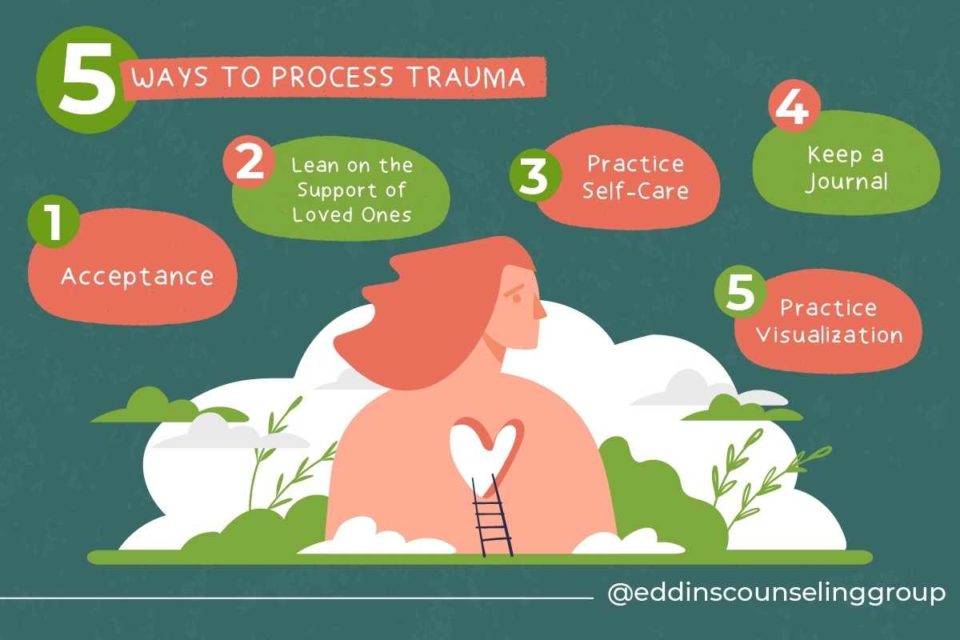
There is no particular time frame for recovery from unsettled injury. Nonetheless, the great information is that recovery from trauma is not an endpoint; survivors can even more than just healing. They can review their stressful experience and discover that they are more powerful than they ever before pictured.
According to Dr. Zackson, these are some types of treatment, preferably performed by experienced injury professionals, that can assist deal with unresolved trauma: We've tried, checked, and written impartial reviews of the best online treatment programs consisting of Talkspace, BetterHelp, and ReGain. Discover which alternative is the ideal for you. Verywell Mind uses just premium resources, consisting of peer-reviewed researches, to support the realities within our posts.
Wellness Aff (Millwood). 2019; 38( 10 ):1662 -1669. 2019; 49( 6 ):1041 -1046.
Understanding the Impact of Mandated Conformity in Childhood
2016; 49:79 -91. doi:10.1016/ j.cpr. 2016.09.001 Lancel M, van Marle HJF, Van Veen MM, van Schagen AM. Disturbed sleep in PTSD: Assuming past problems. Front Psychiatry. 2021; 12:767760. doi:10.3389/ fpsyt. 2021.767760 Centers for Disease Control and Prevention. Caring for your emotional health. Cleveland Facility. Somatic signs and symptom disorder in adults. Gentsch A, Kuehn E. Scientific symptoms of body memories: The impact of previous physical experiences on mental health and wellness.
These physiological feedbacks are part of the body's stress and anxiety reaction to trauma. Cognitively, trauma survivors could create adverse beliefs regarding themselves or the world, such as really feeling unworthy or harmful.
All these symptoms are indicators that trauma has impacted the individual's psychological and psychological well-being. Identifying these indicators early and seeking specialist help can facilitate efficient therapy and support recuperation.
Recognizing Sensory Triggers as a Root Cause
For youngsters and teens, trauma-focused CBT (TF-CBT) is specially adjusted to process traumatic memories in a secure and structured means, typically involving member of the family. Another extremely reliable technique is Prolonged Direct exposure therapy. This strategy encourages steady confrontation of injury memories and scenarios that remember the terrible occasion. The objective is to reduce anxiety responses and avoidance actions that hinder life.
These approaches help individuals reframe adverse ideas, minimize invasive memories, and manage emotional responses better. Resolving trauma's effect on psychological, cognitive, and physical health is vital. Therapy intends to recover a sense of safety and security and trustboth in oneself and in partnerships with othersby promoting durability and individual development. Component of this healing procedure is psychoeducation, where people discover their reactions and develop useful coping abilities.
It's a fantastic question, and one worth exploring deeply. While several of us utilize the words "trauma" and "tension" as if they indicate the same thing in day-to-day discussion, there's in fact a lot even more to recognize about how injury distinctly affects our psychological wellness.

Believe of injury feedbacks as your mind and body's means of shielding you when something occurs that really feels as well big to take care of. When we experience something overwhelming or deeply traumatic, our brain kicks into survival setting.

Latest Posts
Breakthrough Sessions in Trauma therapy
Unrealistic Standards Treatment
Connection and Healing in Group Therapy