Bob Golling
5/5
I've known Dr. Hamilton for 20 years. He has always been a consumate professional. I would recommend him and the California Relationship Center for those in need of a little help along the way.
Featured
Table of Contents
The landscape of trauma treatment has actually progressed significantly over the previous twenty years, relocating past standard talk therapy to accept body-centered, neurobiologically-informed techniques that deal with the full intricacy of human suffering. For people struggling with anxiety, anxiety, and the enduring effects of injury, all natural therapeutic modalities use paths to healing that recognize both the emotional and somatic dimensions of distress. Practitioners who integrate techniques like EMDR treatment, ego-state treatment, and picture change therapy represent a paradigm shift in psychological health and wellness treatment-- one that acknowledges injury as a whole-person experience requiring extensive therapy.
I've known Dr. Hamilton for 20 years. He has always been a consumate professional. I would recommend him and the California Relationship Center for those in need of a little help along the way.
Injury basically alters exactly how the mind processes and stores memories, producing persistent patterns of hyperarousal, emotional numbing, and intrusive recollections that characterize PTSD and complex injury. Unlike common memories that integrate right into our autobiographical narrative, traumatic experiences often continue to be fragmented and unprocessed, saved in implicit memory systems that trigger fight-flight-freeze reactions without conscious awareness. This neurobiological truth explains why simply talking regarding injury, while beneficial, often confirms insufficient for full healing.
Modern trauma therapies target these subcortical mind frameworks where distressing memories live. EMDR treatment makes use of reciprocal excitement-- commonly eye movements-- to facilitate the mind's natural details handling system, permitting stressful memories to be reprocessed and incorporated. Ego-state therapy works with various components of the self that established as protective actions to overwhelming experiences, helping these fragmented aspects communicate and team up. Photo change therapy uses directed images to gain access to and transform the sensory, emotional, and cognitive parts of distressing memory.
The efficiency of these methods hinges on their capacity to function with the limbic system and brainstem-- primitive brain regions that control emotional policy and survival responses. By involving these much deeper frameworks, all natural injury treatment creates changes that speak therapy alone can not achieve, literally re-wiring the neural paths that keep people caught in cycles of stress and anxiety, depression, and terrible reactivity.
Eye Movement Desensitization and Reprocessing, created by Dr. Francine Shapiro, has actually emerged as among the most extensively looked into injury therapies readily available. The treatment runs on the Adaptive Details Handling version, which suggests that emotional distress results from inadequately refined memories. Throughout distressing occasions, the brain's normal combination processes end up being overloaded, leaving memories stored in fragmented, unrefined kinds that continue producing symptoms.
EMDR sessions adhere to an organized eight-phase method that starts with history-taking and prep work before relocating right into memory reprocessing. During reprocessing, customers focus on disturbing images, negative beliefs, and body experiences while concurrently involving in reciprocal stimulation-- most typically adhering to the therapist's fingers with their eyes. This twin attention shows up to resemble the natural handling that happens throughout rapid eye movement, enabling the brain to metabolize distressing product and form even more adaptive neural connections.
What differentiates EMDR from direct exposure treatment is that customers require not give comprehensive spoken stories of their trauma. The reprocessing takes place mostly at a neurological degree, making EMDR specifically valuable for preverbal trauma, dissociative symptoms, or experiences as well overwhelming to verbalize. Lots of customers report considerable sign reduction in less sessions than conventional therapy, though complex trauma commonly requires a lot more extensive treatment.
The applications of EMDR expand past PTSD to include anxiety disorders, depression, fears, and anxiety attack. When these conditions have distressing roots-- adverse childhood years experiences, intimidation, clinical trauma, crashes-- EMDR addresses the source instead than merely taking care of symptoms. This root-cause technique lines up with holistic therapy viewpoint that looks for sustainable healing as opposed to short-term sign reductions.
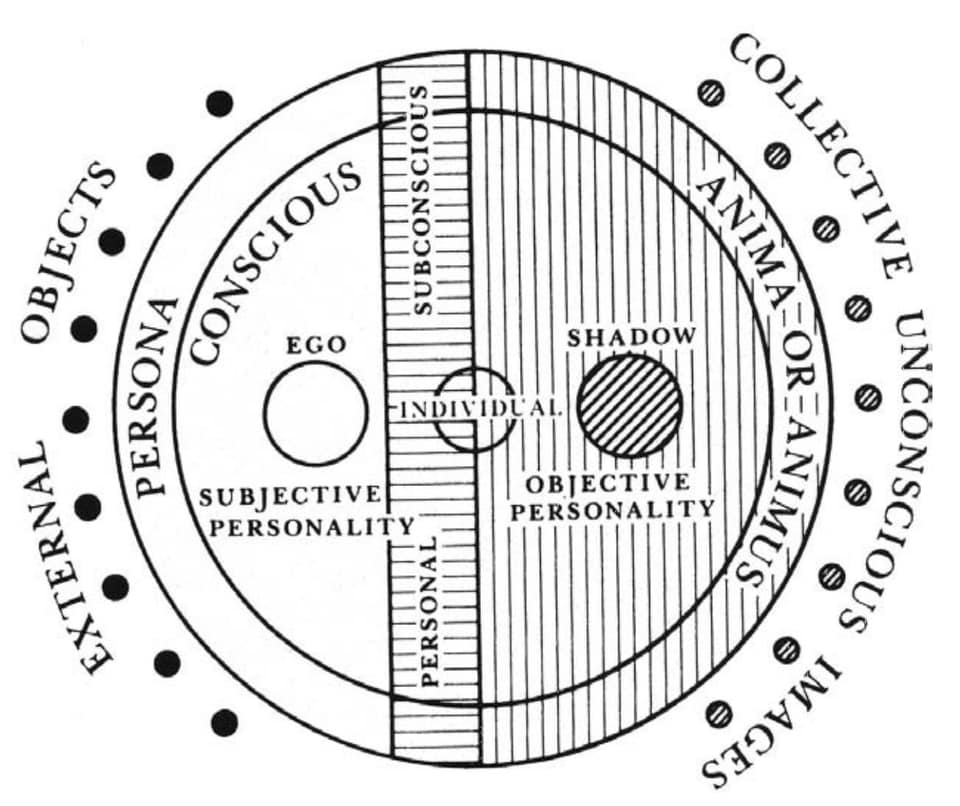
Ego-state treatment recognizes that the mind normally arranges into unique parts or states, each with its own perspective, emotions, and protective features. While everyone has vanity states-- think about the part that wishes to be effective versus the part that needs remainder-- injury enhances these departments, creating internal fragmentation that shows up as conflicting impulses, dissociative symptoms, or feeling "" up in arms with on your own.""
Created from hypnosis and psychoanalytic customs, ego-state treatment aids customers identify and connect with different components of themselves, particularly those iced up in stressful time. A part could continue to be stuck at age seven, still terrified and awaiting threat, while adult life proceeds around it. These younger components frequently bring the psychological strength of injury while protective parts established intricate methods-- perfectionism, psychological numbing, hypervigilance-- to avoid retraumatization.
Knowledgeable ego-state therapists help with interior discussion and arrangement in between parts, helping them upgrade their understanding of current safety and security and collaborate instead than problem. This strategy shares similarities with Inner Family Systems treatment yet stresses the hypnotic and somatic dimensions of accessing various states. Clients discover to give the treatment and recognition their shocked components required however never received, essentially reparenting themselves from the inside out.
For people with complex injury or dissociative signs and symptoms, ego-state treatment offers a framework for understanding complicated inner experiences. Instead of pathologizing the fragmentation that allowed survival, this modality honors the flexible sparkle of the mind while delicately helping with the assimilation necessary for contemporary flourishing.
Photo transformation treatment (ImTT) represents a lesser-known yet powerful method that works straight with the visual, sensory, and psychological parts of distressing memory. Based upon research revealing that terrible memories retain their sensory intensity-- continuing to be as frightening as the initial occasion-- this treatment overviews clients via a process of deliberately modifying these psychological pictures to minimize their emotional charge.
The strategy entails determining one of the most disturbing photo related to a stressful memory, after that methodically transforming its aesthetic features. Customers may picture converting a color photo to black and white, diminishing it to postage-stamp dimension, placing it far distant, or presenting safety components into the scene. These improvements do not deny the truth of what happened but alter how the memory is stored and retrieved, decreasing its capability to activate frustrating psychological reactions.
What makes photo change especially useful is its meekness and client control. Unlike exposure-based therapies that need sustained call with terrible product, ImTT permits clients to trying out small adjustments, building proficiency and safety. The approach works specifically well for aesthetic flashbacks, problems, and phobias where a details photo or scene sets off out of proportion distress.
All natural experts usually incorporate picture change with other modalities, using it as a stabilization strategy prior to much deeper injury handling or as a means to consolidate gains from EMDR or ego-state work. The visualization skills created through ImTT likewise boost general emotional guideline, offering customers devices they can utilize independently when causing images arise.
Contemporary research study progressively reveals that stress and anxiety and clinical depression usually have traumatic foundations, even when no single tragic occasion is determined. Chronic invalidation, psychological neglect, uncertain caregiving, and continuous tension all register as injury in the worried system, developing long-term patterns of hypervigilance, hopelessness, and emotional dysregulation. Dealing with these problems holistically suggests addressing both current signs and their developing beginnings.
Anxiety frequently represents an over active threat discovery system adjusted by very early experiences of risk or unpredictability. Instead of seeing anxiousness as illogical or disordered, trauma-informed therapy acknowledges it as a smart-- if obsoleted-- safety feedback. Methods like EMDR can desensitize the specific memories that instructed the worried system the globe threatens, while ego-state work assists anxious parts really feel listened to and slowly find out to trust contemporary security.
Depression, specifically the consistent, treatment-resistant variety, commonly hides unprocessed sorrow, rage, or shame associated to traumatic experiences. The monotony and despondence of clinical depression can stand for a nerve system shutdown feedback-- freeze or collapse-- that stemmed as protection from frustrating risk. Holistic injury therapy reactivates these frozen states progressively and securely, allowing reduced emotions to relocate through the system and restoring the ability for happiness and connection.
The assimilation of several methods confirms specifically useful for stress and anxiety and anxiety due to the fact that these problems hardly ever have solitary causes. A thorough treatment plan might utilize EMDR for certain stressful memories, ego-state therapy for inner problems, and photo transformation for intrusive fears or depressive ruminations, all sustained by mindfulness and somatic techniques that build present-moment understanding and nerve system guideline.
The performance of trauma treatment depends significantly on both the methods employed and the therapist's skill, presence, and dedication to ongoing training. When looking for all natural trauma therapy, a number of elements identify truly integrative experts from those who simply note numerous qualifications without deep competence.
Look for specialists with comprehensive post-graduate training in their specialized methods. EMDR accreditation calls for significant monitored method beyond fundamental training, while ego-state treatment needs understanding of dissociation, accessory, and components work. Specialists who frequently attend advanced workshops and consultation groups demonstrate commitment to mastery as opposed to surface knowledge.
Auburn, CASecond, evaluate whether the specialist highlights nerves policy and somatic awareness. Holistic injury therapy can not succeed if customers continue to be dysregulated during sessions, so experienced professionals instruct grounding strategies, track arousal levels, and pace the work appropriately. They comprehend that healing takes place in a window of optimum arousal-- involved however not bewildered-- and have the clinical judgment to stay within that window.
Third, think about the healing relationship itself. Study constantly demonstrates that the quality of the restorative alliance predicts end results a lot more reliably than specific methods. Injury survivors need specialists who symbolize security, attunement, and authentic existence while keeping ideal borders. Trust your instincts regarding whether a therapist feels really caring, nonjudgmental, and with the ability of holding area for difficult feelings.
All natural professionals identify that recovery prolongs past sign reduction to consist of meaning-making, post-traumatic development, and reconnection with objective. They view clients not as damaged individuals needing dealing with but as resistant beings whose signs stand for smart adjustments to difficult scenarios. This strength-based point of view, combined with evidence-based techniques and deep therapeutic presence, develops the conditions for transformative recovery that resolves the entire individual-- body, mind, and spirit.
Table of Contents
Latest Posts
Examining the Profound Effects of Psychodynamic Approaches with Psychodynamic therapy
Why Culturally Sensitive Practice Supports Individual Backgrounds
Published Research on Psilocybin
More
Latest Posts
Examining the Profound Effects of Psychodynamic Approaches with Psychodynamic therapy
Why Culturally Sensitive Practice Supports Individual Backgrounds
Published Research on Psilocybin