Featured
Table of Contents
- – Recognizing the Eating Disorder-OCD Connection
- – Eating Disorders in Athletes and Dancers: An U...
- – OCD Therapy: Beyond Contamination Fears
- – EMDR Intensives for Trauma-Based Eating Disorders
- – Souneh Arevalo
- – Anxiousness Treatment as Structure for Healing
- – Searching For Specialized Treatment for Long L...
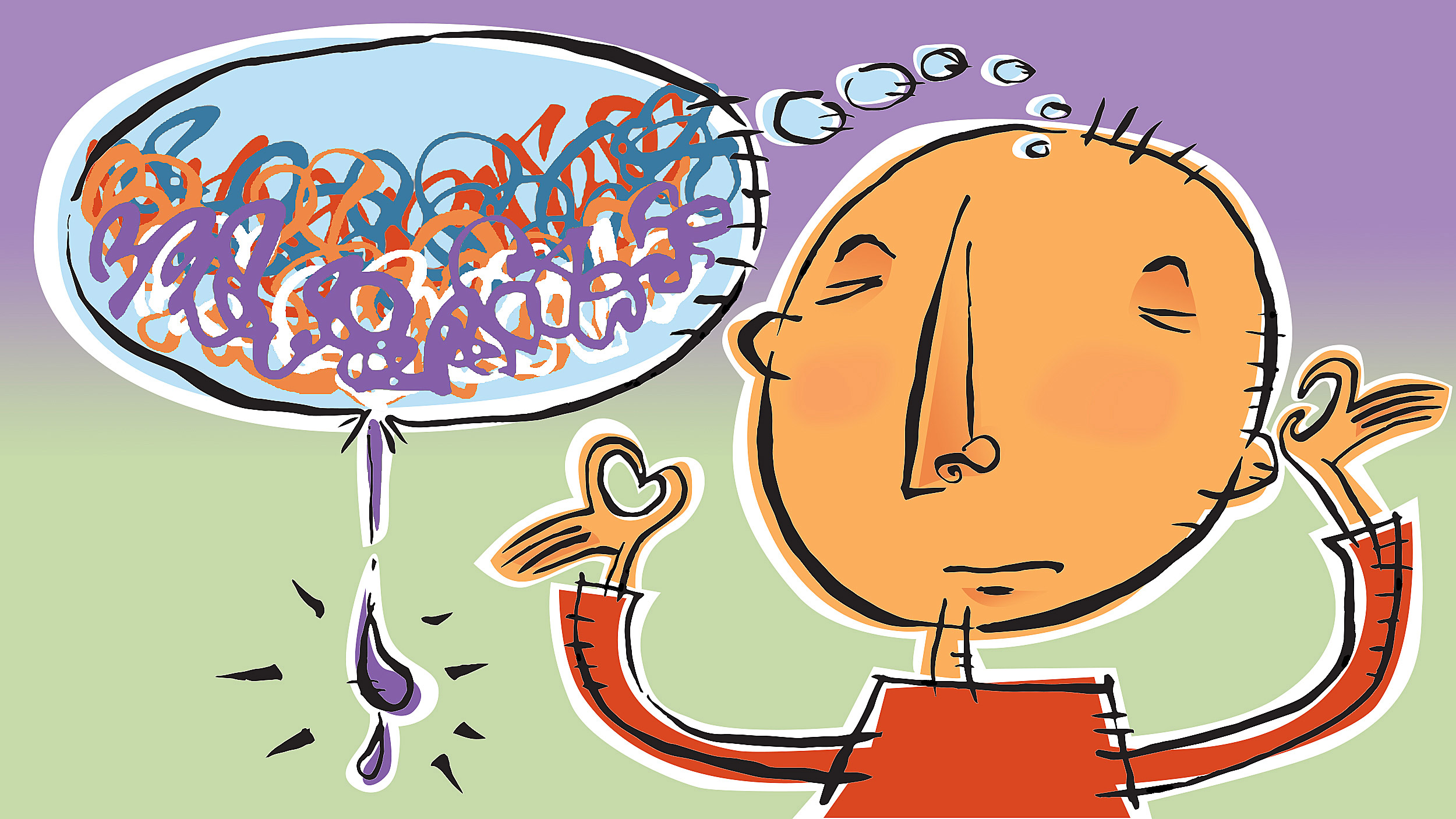
The intersection of consuming problems and obsessive-compulsive problem stands for among one of the most challenging presentations in psychological wellness therapy. These problems typically share underlying patterns of rigid thinking, anxiety-driven behaviors, and attempts to manage unpredictability via ceremonial activities. For professional athletes, dancers, and people with nit-picker propensities, these conditions can come to be particularly lodged, woven into identification and performance in manner ins which make recognition and treatment much more complicated.
Recognizing the Eating Disorder-OCD Connection
Eating disorders and OCD share substantial neurobiological and emotional overlap. Both problems involve intrusive thoughts, uncontrollable actions, and increased anxiousness when rituals are interfered with. Study suggests that approximately 40% of people with eating disorders additionally satisfy standards for OCD, recommending these problems might stand for various expressions of comparable underlying susceptabilities.
The partnership in between these conditions often materializes as a savage cycle. Obsessive thoughts regarding food, physique, or weight drive compulsive eating habits, workout routines, or limiting patterns. These actions temporarily lower anxiety, enhancing the cycle and making it considerably harder to break. With time, what started as efforts to take care of anxiety or achieve particular goals develops right into a stiff system that controls every day life.
Consuming disorder therapy that resolves these obsessive-compulsive attributes needs specialized understanding. Generic approaches to disordered eating might miss the anxiety-driven mechanisms maintaining behaviors, while typical OCD therapy may overlook the body image and identity parts central to eating disorders. Integrated treatment comes close to acknowledge this complexity and address both the obsessive-compulsive patterns and the specific attributes of disordered eating.
Specialists focusing on this junction, such as those at Live Mindfully Psychotherapy, comprehend that efficient therapy should deal with multiple layers at the same time. This includes dealing with the cognitive rigidity quality of both problems, the underlying anxiety driving habits, and the identification components that make modification really feel threatening.
Eating Disorders in Athletes and Dancers: An Unique Challenge
Professional athletes and professional dancers deal with specific susceptability to eating problems, with prevalence prices considerably more than in the general populace. The focus on body composition, weight needs, and visual ideals in these fields develops a setting where disordered consuming can establish under the guise of commitment or professionalism and trust. What starts as "" tidy consuming"" or "" optimal fueling"" can slowly progress into restrictive eating disorders that jeopardize both health and wellness and efficiency.
The sports and dance communities typically normalize actions that would certainly be acknowledged as disordered in various other contexts. Extensive training sessions, inflexible dish timing, obsessive body checking, and workout obsession might be deemed signs of commitment instead of cautioning indicators. This normalization makes it harder for athletes and dancers to recognize when their connection with food and exercise has crossed right into pathological area.
Perfectionism, highly valued in athletic and imaginative quests, works as both a danger aspect and keeping mechanism for consuming problems. The very same high qualities that drive excellence-- technique, attention to information, high standards-- can sustain compulsive patterns around food and body. Athletes and dancers often are afraid that resolving their eating problem will endanger their performance, not acknowledging that the problem itself is limiting their capacity with physical depletion and mental fixation.
Specialized eating disorder therapy for professional athletes and professional dancers need to browse these special dynamics. Treatment methods that recognize the person's dedication to their sporting activity or art while dealing with the damaging patterns verify most efficient. Specialists working with these populaces comprehend sport-specific stress and can help customers create healthier relationships with food and body without requiring them to desert their athletic or imaginative pursuits.
OCD Therapy: Beyond Contamination Fears
While several associate OCD with contamination fears and hand washing, the problem shows up in varied ways. Intrusive thoughts about harm, sex-related material, religious problems, or proportion can be similarly distressing. For people with eating conditions, OCD typically includes fascinations about food, contamination issues pertaining to eating, or compulsions around exercise and body checking.
Efficient OCD therapy normally includes direct exposure and feedback prevention (ERP), a treatment method that aids people face feared scenarios while standing up to compulsive reactions. For eating disorder presentations with OCD attributes, this might consist of exposures to been afraid foods, decreasing body monitoring behaviors, or enduring unpredictability around eating choices. The process is progressive and individualized, valuing each person's preparedness while testing avoidance patterns that preserve anxiousness.
AnxietyCognitive-behavioral treatment for OCD assists individuals identify the thought patterns that fuel obsessions. Discovering to identify compulsive thoughts without involving with them through routines confirms central to recuperation. This metacognitive understanding-- the capability to observe ideas without instantly thinking or acting on them-- represents a vital skill that benefits both OCD and eating condition recovery.
Numerous individuals with OCD and eating disorders likewise have problem with perfectionism, viewing anything less than complete control as failing. This all-or-nothing reasoning extends to treatment itself, with people sometimes believing they must be "" best"" at recovery. Therapy should resolve these perfectionistic standards, aiding customers establish self-compassion and tolerance for the unpleasant, nonlinear nature of healing.
EMDR Intensives for Trauma-Based Eating Disorders
Progressively, medical professionals recognize that several eating conditions have origins in terrible experiences. Whether developing trauma, details stressful events, or the buildup of adverse experiences, unsettled injury commonly underlies the demand for control that eating conditions supply. EMDR intensives offer a focused method to processing these terrible structures, addressing the much deeper motorists of disordered consuming.
EMDR intensives press treatment right into prolonged sessions over days as opposed to weeks, allowing for more comprehensive handling. For eating condition therapy, this intensive layout can increase progression by resolving multiple traumatic memories or experiences in a focused duration. The technique shows particularly beneficial for individuals that have actually completed standard eating disorder treatment but continue struggling with underlying anxiousness or trauma-related triggers.
Souneh Arevalo
Kelsey is not only an exceptionally qualified therapist, she is also warm and genuine. If you are struggling with recovery from eating disorder don’t hesitate to reach out to her!
The link in between injury and eating conditions manifests in numerous ways. For some, disordered consuming represents an effort to reclaim control after experiences of powerlessness. For others, body discontentment links to messages gotten during developmental years or details stressful experiences. EMDR assists reprocess these memories and associated beliefs, reducing their emotional charge and enabling for even more adaptive self-perception.
Combining EMDR intensives with continuous eating problem treatment and nutritional assistance creates a thorough therapy strategy. While EMDR addresses underlying trauma, concurrent assistance aids individuals create new coping mechanisms and preserve recovery-oriented actions. This integrated approach recognizes that consuming conditions offer features in individuals's lives, and long-term change requires both processing what drove the condition and building alternate means of handling distress.
Anxiousness Treatment as Structure for Healing
Stress and anxiety underlies both consuming problems and OCD, making anxiety administration abilities necessary for recuperation. Learning to endure unpredictability, handle physical anxiousness experiences, and react to tough feelings without resorting to disorder habits represents core operate in treatment. Anxiety treatment offers these fundamental skills while aiding people understand their distinct anxiety patterns.
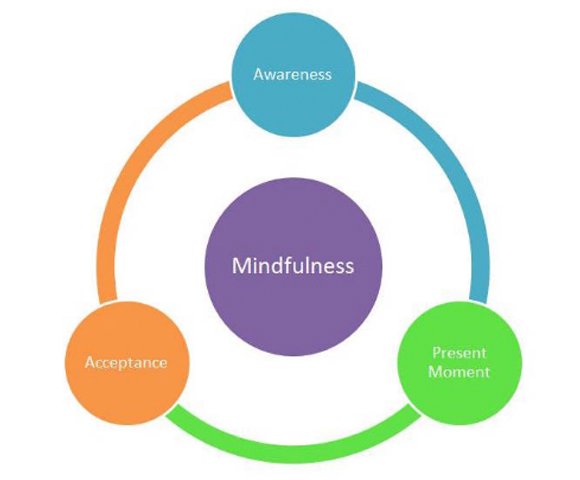
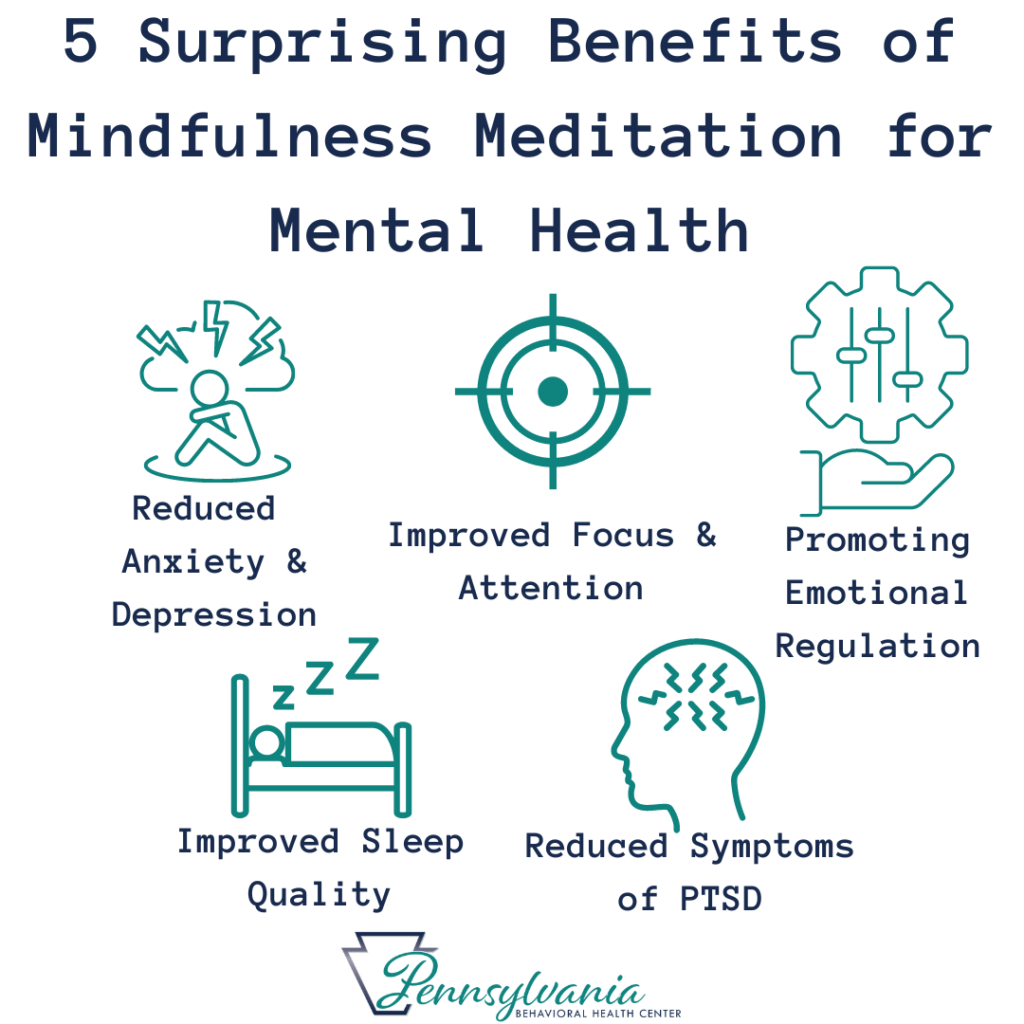
Mindfulness-based strategies verify particularly beneficial for consuming problem and OCD treatment. These methods aid people observe ideas and feelings without immediately reacting, developing area between triggers and responses. For somebody with an eating problem, mindfulness could involve discovering anxiety around food choices without instantly restricting. For OCD discussions, it may indicate observing intrusive thoughts without participating in compulsive reactions.
Somatic techniques to anxiousness therapy address the body-based elements often neglected in cognitive treatments. Lots of individuals with eating disorders and OCD experience increased interoceptive recognition-- level of sensitivity to inner bodily feelings-- which can drive stress and anxiety and compulsive actions. Discovering to regulate the nerves with breath work, progressive relaxation, or various other somatic strategies gives concrete tools for handling stress and anxiety in real-time.
Searching For Specialized Treatment for Long Lasting Healing
Recovery from eating problems and OCD calls for specialized treatment that deals with the one-of-a-kind functions of these conditions. Common techniques might supply temporary alleviation but commonly miss out on the preserving systems that drive relapse. Therapists with details training in consuming disorders, OCD, and injury understand these nuances and can offer targeted interventions that address origin instead of just symptoms.
When seeking therapy, think about therapists who incorporate multiple evidence-based methods as opposed to relying upon a solitary method. Consuming disorders and OCD rarely react to one-size-fits-all treatment, and versatility in method enables therapists to adjust treatments to private demands. Additionally, partnership with various other carriers-- such as dietitians, medical professionals, and psychiatrists-- commonly verifies necessary for detailed care attending to all elements of recovery.
AnxietyFor professional athletes, professional dancers, and perfectionists fighting with eating problems or OCD, discovering a specialist that understands these particular contexts makes significant distinction. Therapy that honors your worths and goals while resolving unsafe patterns produces the foundation for sustainable recuperation that boosts instead of limitations your life and quests.

Table of Contents
- – Recognizing the Eating Disorder-OCD Connection
- – Eating Disorders in Athletes and Dancers: An U...
- – OCD Therapy: Beyond Contamination Fears
- – EMDR Intensives for Trauma-Based Eating Disorders
- – Souneh Arevalo
- – Anxiousness Treatment as Structure for Healing
- – Searching For Specialized Treatment for Long L...
Latest Posts
Recognizing the Relationship Between Family Issues
What to Expect From EMDR Treatment
Addressing Shame in Partnership Work
More
Latest Posts
Recognizing the Relationship Between Family Issues
What to Expect From EMDR Treatment
Addressing Shame in Partnership Work